Discussing means to stabilize conflicted regions in the Middle East
Discussing means to stabilize conflicted regions in the Middle East
Agenda: Discussing means to stabilize conflicted regions in the Middle East
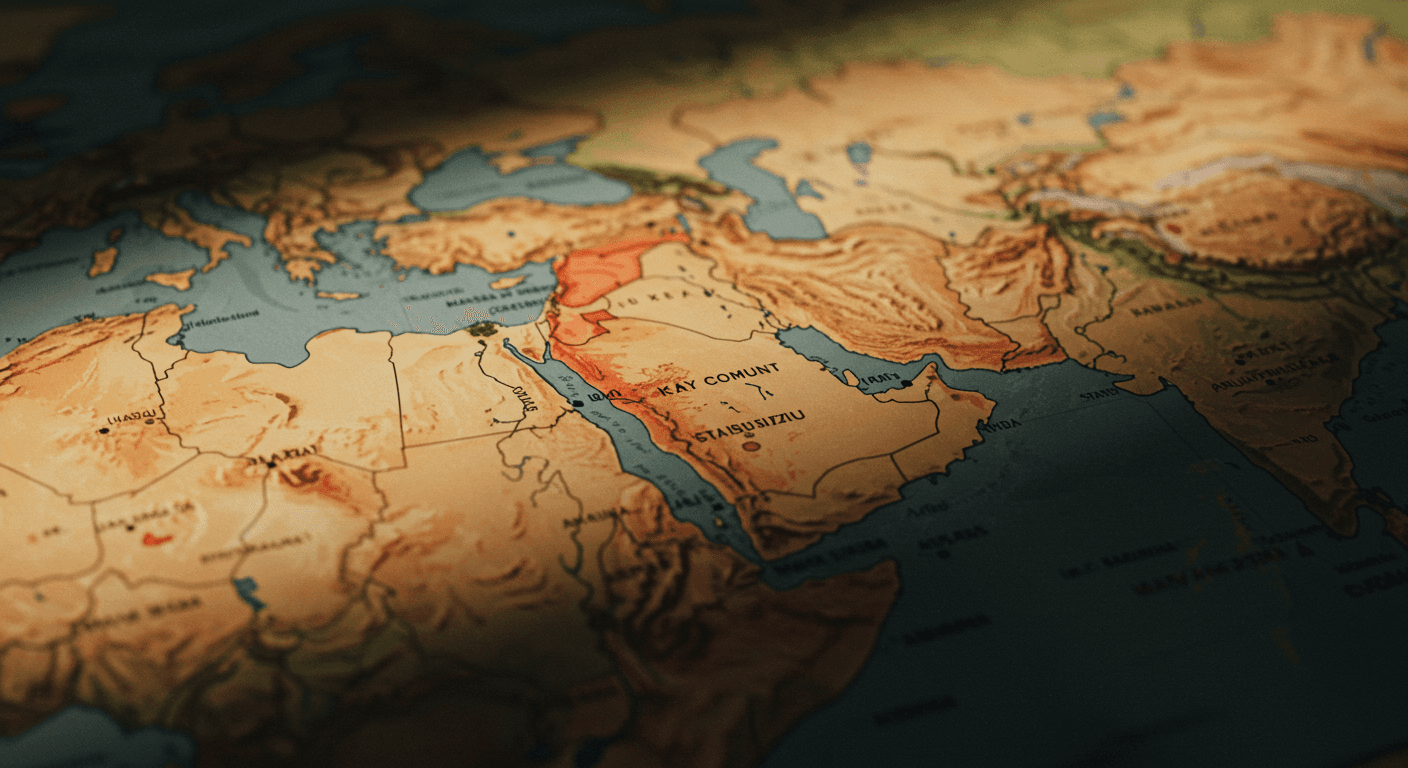
The Middle East remains a region plagued by protracted conflicts, impacting regional stability and posing significant challenges to international peace and security. This committee will delve into the complex web of interconnected conflicts, examining their historical roots, geopolitical dimensions, and devastating humanitarian consequences. Delegates will analyze specific case studies of conflict zones, including Syria, Yemen, and the Israeli-Palestinian conflict. They will explore the role of state and non-state actors, including the involvement of external powers, in fueling and perpetuating these conflicts.
The committee will address the multifaceted challenges to stability in the region, including political instability, sectarian tensions, economic inequality, and the proliferation of weapons. The devastating humanitarian impact of these conflicts, including mass displacement, widespread human rights abuses, and the collapse of essential services, will be a central focus. Delegates will be challenged to devise comprehensive strategies for conflict resolution and stabilization, encompassing diplomatic solutions, peacekeeping operations, and humanitarian interventions. This will require navigating the often-conflicting interests of regional and international stakeholders.
The committee will explore the potential for regional security architectures, confidence-building measures, and post-conflict reconstruction efforts. Delegates will also address the crucial role of international cooperation in providing humanitarian assistance, promoting sustainable development, and fostering long-term peace and security in the region.
Agenda: Discussing means to stabilize conflicted regions in the Middle East
The Middle East remains a region plagued by protracted conflicts, impacting regional stability and posing significant challenges to international peace and security. This committee will delve into the complex web of interconnected conflicts, examining their historical roots, geopolitical dimensions, and devastating humanitarian consequences. Delegates will analyze specific case studies of conflict zones, including Syria, Yemen, and the Israeli-Palestinian conflict. They will explore the role of state and non-state actors, including the involvement of external powers, in fueling and perpetuating these conflicts.
The committee will address the multifaceted challenges to stability in the region, including political instability, sectarian tensions, economic inequality, and the proliferation of weapons. The devastating humanitarian impact of these conflicts, including mass displacement, widespread human rights abuses, and the collapse of essential services, will be a central focus. Delegates will be challenged to devise comprehensive strategies for conflict resolution and stabilization, encompassing diplomatic solutions, peacekeeping operations, and humanitarian interventions. This will require navigating the often-conflicting interests of regional and international stakeholders.
The committee will explore the potential for regional security architectures, confidence-building measures, and post-conflict reconstruction efforts. Delegates will also address the crucial role of international cooperation in providing humanitarian assistance, promoting sustainable development, and fostering long-term peace and security in the region.
Agenda: Discussing means to stabilize conflicted regions in the Middle East
The Middle East remains a region plagued by protracted conflicts, impacting regional stability and posing significant challenges to international peace and security. This committee will delve into the complex web of interconnected conflicts, examining their historical roots, geopolitical dimensions, and devastating humanitarian consequences. Delegates will analyze specific case studies of conflict zones, including Syria, Yemen, and the Israeli-Palestinian conflict. They will explore the role of state and non-state actors, including the involvement of external powers, in fueling and perpetuating these conflicts.